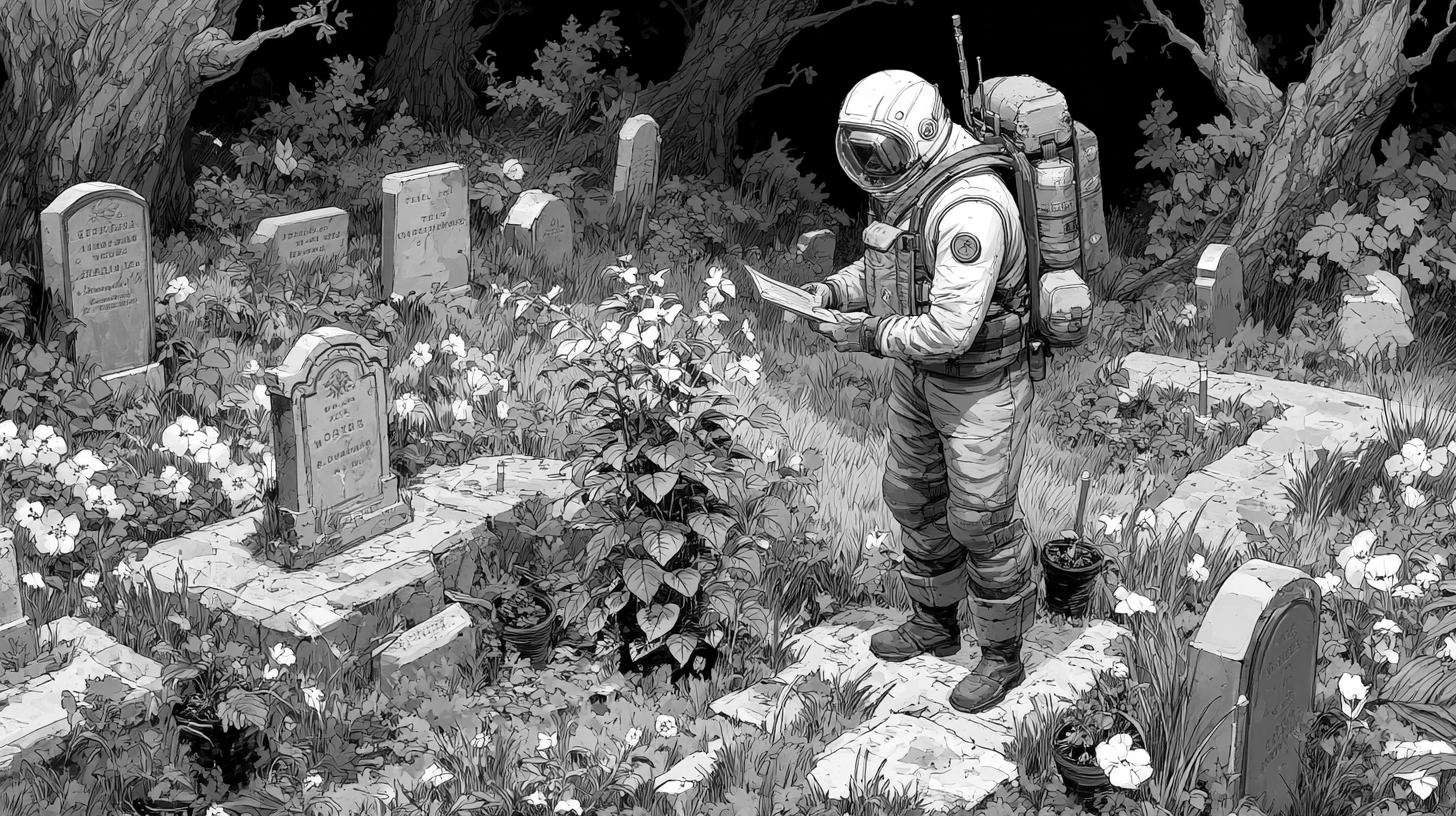
Every venture studio has a graveyard. Ours is bigger than most, and we're proud of it.
The venture studio model only works if you're willing to kill things. Not at the end, when the money's gone and everyone's exhausted. Early. Before sunk-cost fallacy sets in. Before the team gets emotionally attached to a product that the market doesn't want.
The sunk cost trap
Most founders hold on too long. The data says pivot, but the heart says push through. In a single-venture world, that's sometimes the right call. Persistence can unlock breakthroughs.
In a studio, it's almost always the wrong call. A studio's edge is optionality: the ability to run multiple bets and double down on the ones with real signal. That edge disappears the moment you start nursing zombie ventures.
A venture studio that can't kill ventures isn't a studio. It's a holding company with extra steps.
Our stage gate framework
We run four gates, one at each phase of our process. Every venture has to earn the right to continue.
Gate 1: Problem validation
Does the problem exist in the wild? Have we talked to at least 20 potential customers? Can we articulate the pain in their words, not ours? If not, kill it.
Gate 2: Solution signal
Does our MVP get usage without us pushing people? Are users coming back? Is there any organic pull? If not, kill it.
Gate 3: Unit economics sketch
Can we see a path to margins that make sense? Does the customer acquisition cost have a realistic ceiling? If the numbers only work in the best case, kill it.
Gate 4: Scale readiness
Is there a repeatable motion? Can we hire for it? Does the founding team have the conviction and capability to take this from here? If not, kill it, or reconfigure.
What "killing" actually looks like
Killing a venture doesn't mean wasting everything. We extract:
- Code and infrastructure that can be reused in the next build.
- Customer research that feeds into future opportunity maps.
- Operational playbooks for what worked in GTM, hiring, or product.
- Relationships with people we met who might matter for the next venture.
The studio gets smarter every time we shut something down. That's the compounding effect that solo founders don't get.
The emotional cost
We won't pretend this is easy. Every kill decision involves real people who poured real effort into something. The key is setting expectations from day one: this venture might not make it past Gate 2, and that's not failure. That's the process working.
If you can't have that conversation honestly with your team, you'll end up with zombie ventures eating your studio's resources and attention.
Build the muscle
Killing ventures is a skill. Like any skill, it gets easier with practice and harder the longer you avoid it. Start early. Be honest. Extract the learnings. Move on.
The best studios aren't the ones that never fail. They're the ones that fail fast, learn faster, and compound those learnings into the next build.